Zagreb What to See: Essential Attractions Near the Hotel
When you're wondering zagreb what to see during your stay, this guide covers attractions you can literally walk to from your hotel room. No complicated transit routes, no wasted time. Just pure exploration.
Hotel Dubrovnik sits on Ban Jelačić Square, the beating heart of Zagreb. Step out the front door, and you're standing in the city centre. Everything worth seeing is within a 10-minute walk.
Upper Town (Gornji Grad) Attractions
The Upper Town is where Zagreb's medieval soul lives. It's a seven-minute uphill walk from the hotel, and every step is worth it.
St. Mark's Church
The tiled roof on this church is absurd. I mean that in the best way possible. The Croatian coat of arms splashed across the rooftop in bright tiles makes this one of the most photographed spots when people ask zagreb what to see.
It's a seven-minute walk from Hotel Dubrovnik. You'll know you're getting close when you start seeing other tourists pointing their cameras upward. The church dates back to the 13th century, but the distinctive tiled roof was constructed in 1880.
Here's the thing: you can't go inside unless there's a service happening. But honestly? The exterior is the main event. The colours pop against Zagreb's skyline, especially on sunny days.
Lotrščak Tower and Grič Cannon
Every day at noon, a cannon fires from this tower. It's been happening since 1877, marking midday for the entire city. This tradition continues daily, and the sound echoes throughout the streets below.
Climb the tower before noon. The panoramic views give you the entire city layout. You'll see the cathedral spires, the red rooftops, and the mountains beyond. It costs about €3 to enter, and the climb is steep but manageable.
Stone Gate
This is the last surviving medieval city gate in Zagreb. Walk through it, and you'll find something unexpected: a tiny chapel with a shrine to the Virgin Mary.
The story goes that a massive fire in 1731 destroyed everything except a painting of Mary. Locals consider it a miracle. Today, you'll see people lighting candles and leaving "Hvala Ti" (thank you) plaques on the walls.
It's free to visit, and it's one of those zagreb what to see spots that tourists often rush past. Take a few minutes to sit on the benches inside. It's a glimpse into the city's spiritual side that most travel guides skip over.
Museum of Broken Relationships
This museum won the Kenneth Hudson Award for Europe's most innovative museum in 2011. It's exactly what it sounds like: donated items from failed relationships, each with a story.
The collection includes everything from wedding dresses to garden gnomes. Some stories are funny. Some are devastating. All of them are human. Entry is €5, and visitors can get through the whole museum in about an hour.
The attached café has good coffee and homemade cookies. The WiFi is available for visitors who need connectivity between sightseeing.
Lower Town (Donji Grad) Highlights
The Lower Town is flatter, wider, and packed with cafes. It's where Zagreb feels more like Vienna than a Balkan capital.
Zagreb Cathedral
You can't miss this building. The twin Gothic spires are the tallest structures in Croatia. They're visible from basically anywhere in the city centre.
One of the towers is covered in scaffolding. It's been that way since the 2020 earthquake. When people ask zagreb what to see, I tell them the cathedral is a must, even with the construction. The scale alone is impressive.
The fortified walls around the cathedral are from when Zagreb actually needed to defend itself. Walk the perimeter before you head inside. It's free, and it gives you context for how this city evolved.
Tkalčićeva Street
This pedestrian street is where Zagreb eats, drinks, and socialises. It's basically a long lineup of cafes, restaurants, and bars, all packed into colourful buildings.
During the day, it's perfect for coffee. At night, it transforms into a bar scene that locals actually use. That's rare in European capitals where tourist streets often feel hollow.
For anyone asking zagreb what to see beyond monuments, this street is the answer. It's where Zagreb actually lives. Visitors can grab a table, order a local beer, and watch the city move around them.
Dolac Market
This open-air market sits in the shadow of the cathedral. Red umbrellas mark the stalls where farmers sell produce from the surrounding region.
If it's in season, you can buy it here. Tomatoes, peppers, cheese, honey, whatever. The market opens early and closes by early afternoon, so don't sleep in if you want to visit. Weekend visitors should plan market visits for Saturday mornings
There's also a fish market in the covered section below. It's clean, well-organised, and far less chaotic than markets in other European capitals. Locals shop here daily, which tells you everything about the quality.
Parks and Viewpoints
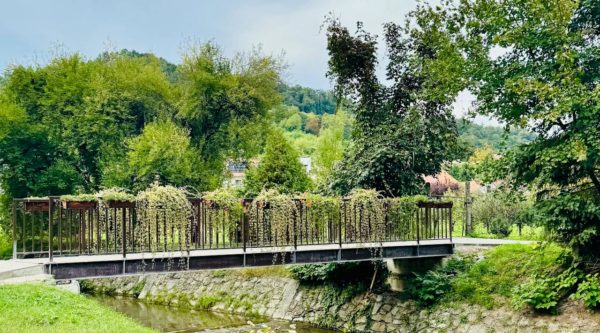 Zagreb has green space everywhere. The city planners in the 1800s understood something that modern developers often forget.
Zrinjevac Park
This park is part of something called Lenuci's Horseshoe, a U-shaped series of parks and squares that wrap around the Lower Town. Zrinjevac is the most central.
When tourists ask zagreb what to see for a break from walking, this is the answer. Tree-lined paths, fountains, benches everywhere. It's romantic without trying too hard.
The music pavilion hosts concerts during summer. Even if there's no performance, it's a good spot to sit and reset before continuing your exploration.
Strossmayer Promenade
This elevated walkway runs along the edge of the Upper Town. It's the best free viewpoint in Zagreb for understanding the city's layout.
You'll see the Lower Town spread out below you. The cathedral spires. The modern buildings further out. The mountains beyond. It's especially good at sunset when the light turns everything golden.
The promenade connects several Upper Town attractions, so you'll probably walk it anyway. Just make sure you stop and actually look at the view instead of rushing to the next landmark.
Cultural Venues
Zagreb has museums everywhere. Here are two that matter.
Croatian National Theatre
The neo-baroque building glows yellow during the day and pink at night. It's one of Zagreb's architectural highlights, and it's been the country's premier cultural institution since 1895.
If you're building your zagreb what to see list and you enjoy live performance, check their schedule. Opera and ballet tickets start around €15. That's absurdly cheap compared to Western European capitals.
Even if you don't attend a show, walk past the building. It sits in a park with fountains and benches. The exterior alone justifies the detour.
Croatian Museum of Naïve Art
This is supposedly the world's first museum dedicated to naïve art. The collection includes works by Ivan Generalić and other Croatian artists who founded the movement.
The museum is small. You can see everything in 30 minutes. Entry is about €5. The staff actually knows the collection and can answer questions instead of just selling tickets.
It's directly across from the Museum of Broken Relationships, so you can hit both in one trip up to the Upper Town.
Transportation and Connectivity
Getting around Zagreb is straightforward. The city is walkable, but there are options when your feet need a break.
The Zagreb Funicular connects the Lower and Upper Town in 64 seconds. It's one of the shortest public transport funiculars in the world, covering just 66 metres. It's also one of the oldest, operating since 1888.
Tickets are cheap, and it saves you a steep uphill walk. The ride itself is part of the zagreb what to see experience. Locals use it daily, but tourists always seem surprised by how fast it moves.
The tram network is efficient and covers the entire city. Hotel Dubrovnik has a tram station directly in front. You can reach anywhere in Zagreb within 20 minutes. Tickets are available at kiosks near every stop.
Day Trip Destinations
Some attractions require leaving the city centre. They're worth the extra travel time.
Mirogoj Cemetery is an architectural masterpiece. The arcades, monuments, and ivy-covered walls make it feel more like an outdoor museum than a graveyard. Tram 14 gets you there in about 15 minutes from the main square.
Medvednica Mountain looms over Zagreb's north side. Take the cable car up for hiking trails and scenic views. In winter, there's skiing. In summer, it's just good hiking with beer gardens at the summit.
Plitvice Lakes National Park is Croatia's most famous natural attraction. It's a two-hour drive from Zagreb. Tours leave daily from the city centre. Book in advance because spots fill up quickly, especially in summer.
Conclusion
Hotel Dubrovnik's location on Ban Jelačić Square means zagreb what to see becomes less about planning complicated routes and more about walking out the door. Everything mentioned in this guide is within easy reach. No wasted mornings figuring out transit. No expensive taxis. Just efficient exploration.
The mix of historical, cultural, and natural attractions gives you options no matter what kind of traveller you are. Medieval churches, modern museums, mountain hikes. It's all accessible from this central starting point.
If you're planning your stay in Zagreb, check out Hotel Dubrovnik for accommodation that puts you in the middle of everything worth seeing. The location isn't just convenient. It's strategic.
Frequently Asked Questions (FAQs)
1. What are the top things to see in Zagreb near the main square?
St. Mark's Church with its iconic tiled roof, the Zagreb Cathedral, and Tkalčićeva Street are all within a 10-minute walk from Ban Jelačić Square. The Museum of Broken Relationships and Lotrščak Tower are slightly further up in the Upper Town but still easily walkable.
2. How much time do I need to explore Zagreb's main attractions?
You can cover the essential sights in two full days. One day for the Upper Town attractions including St. Mark's Church and the museums, and another day for the Lower Town highlights like the cathedral, market, and parks. Add extra days if you want to include day trips to Plitvice Lakes or Medvednica Mountain.
3. Is Zagreb a walkable city for tourists?
Absolutely. The city centre is compact, and most major attractions are within walking distance of each other. The terrain in the Upper Town is hilly, but the funicular can help with that. Comfortable walking shoes are essential, but you won't need taxis or extensive public transport for sightseeing.
4. What's the best way to get from Zagreb attractions to the airport?
Hotel Dubrovnik offers organised airport transfers. Alternatively, the airport bus leaves from the main bus station and takes about 30 minutes. Taxis and ride-sharing services are also readily available. Book transport in advance during peak travel seasons to avoid last-minute stress.
5. Are Zagreb's museums worth visiting?
The Museum of Broken Relationships is genuinely unique and worth the €5 entry fee. The Croatian Museum of Naïve Art offers a quick cultural dose in 30 minutes. The Croatian National Theatre provides world-class performances at budget-friendly prices. Quality over quantity defines Zagreb's museum scene, so even casual museum-goers find value here.