Meeting Hotels in Zagreb That Make Business Gatherings Easy
Choosing the right hotel for meetings Zagreb can make or break the whole event. The venue affects how attendees feel, how smoothly the day runs, and whether the people who travelled to be there feel the effort was worthwhile. Getting that wrong is expensive in more ways than one. Here's what to look at before you confirm anything.
Why the Meeting Hotel You Choose Matters More Than the Agenda
You can have the most carefully prepared agenda and still lose the room if the space doesn't work. Poor acoustics, weak WiFi, a location that takes attendees 40 minutes to reach, and no decent place to eat between sessions. These are not minor inconveniences. They compound across the day and leave people remembering the logistics rather than the content.
A hotel for meetings in Zagreb that's well-positioned, properly equipped, and has genuine flexibility across room sizes takes all of that friction away. What remains is just the work.
What to Look for in a Hotel for Meetings Zagreb
Location and Accessibility for Attendees
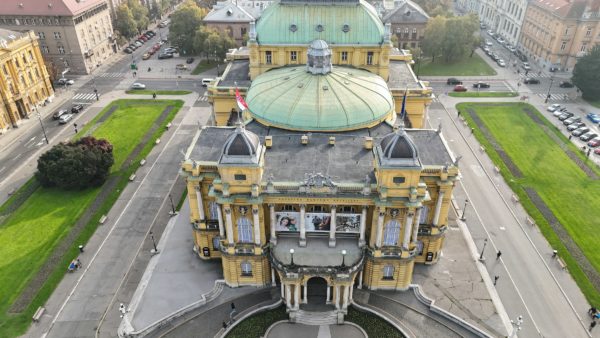
Location is the first thing to get right. A meeting hotel sitting in a central, well-known part of the city removes navigation anxiety entirely. Attendees from out of town can walk from their accommodation. Local participants know exactly where they're going. Nobody arrives flustered from getting lost in an unfamiliar business park.
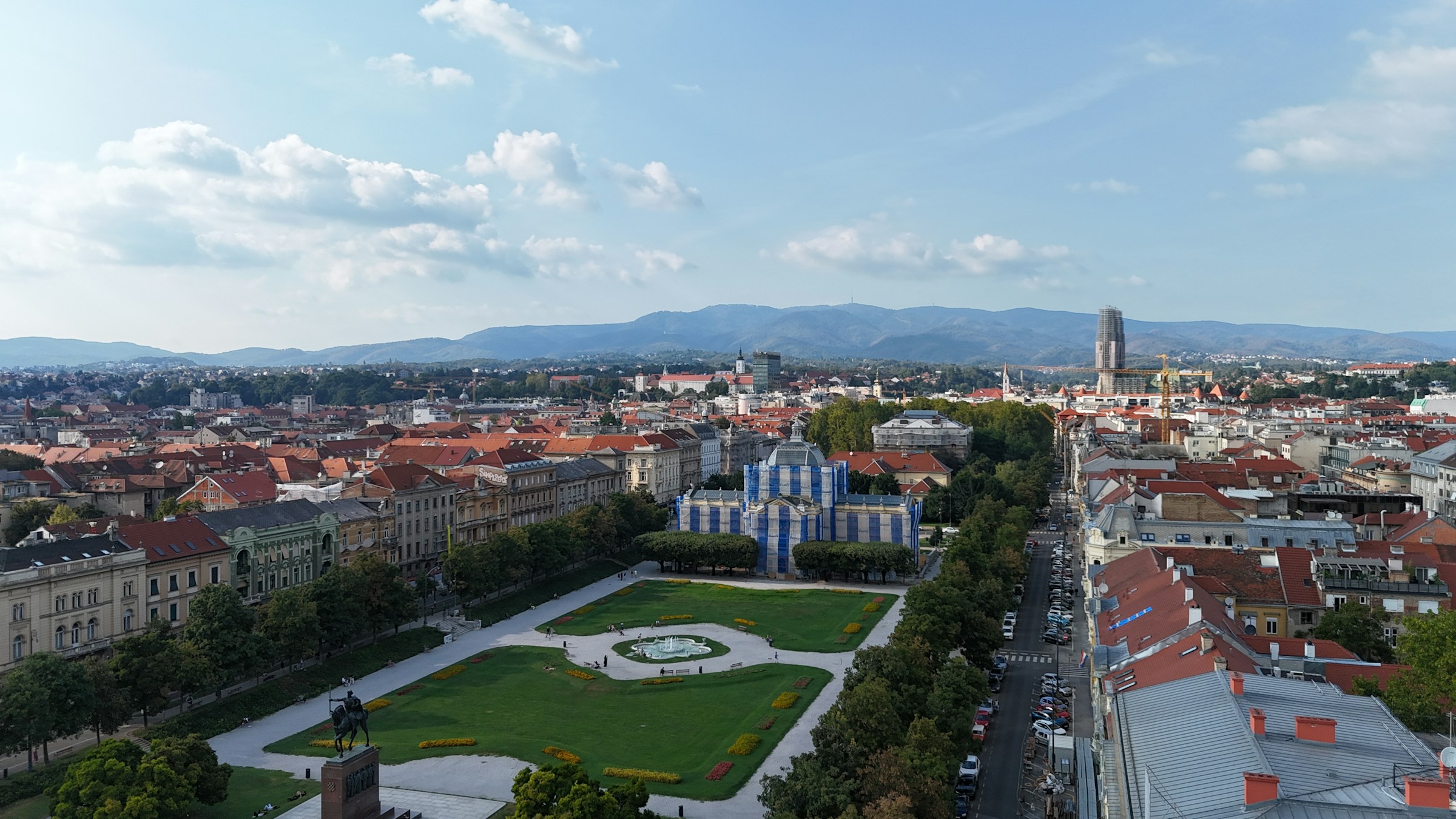
Being on or near the main square in Zagreb means transport connections radiate in every direction. Trams stop at the front door. The train station and bus terminal are within easy reach. For delegates flying in, airport transfers are straightforward, with organised transfers available for those who need them.
A central address also signals something to your attendees. It says the event is worth their time and that the organiser thought carefully about the experience. That matters, especially for client meetings, board sessions, or events where first impressions carry weight.
The Right Room for the Right Group Size
One of the most common mistakes when booking a hotel for meetings in Zagreb is mismatching the room to the group. A room that's too large makes a small team feel scattered. A room that's too tight makes a larger group uncomfortable within the first hour.
The range of space you need access to depends entirely on your event type:
- 6 to 12 people — intimate board meetings, client consultations, focused workshops
- 15 to 35 people — team offsites, training sessions, departmental briefings
- 40 to 80 people — mid-sized conferences, product presentations, company updates
- 100 to 200 or more — large congresses, plenary sessions, full-company gatherings
- 300 to 500 or more — major conferences, multi-session events, connected hall formats
Having all of these under one roof matters for complex events. If you're running a main session with parallel breakouts, booking multiple rooms at the same venue keeps the day coherent. Attendees don't have to leave the building between sessions, catering can be managed centrally, and the technical team stays in one place.
Natural Light Across All Day Events
Full-day meetings are harder on attendees than half-day ones. Natural light makes a measurable difference to energy and focus across long sessions. A hotel conference room with no windows works for short, presentation-heavy sessions where screens need to dominate.
For anything running more than a few hours, natural light in the space is worth prioritising specifically.
Look for meeting rooms that specify the number of windows rather than just stating "natural light available." A single narrow window doesn't function the same way as seven full windows in a hall that runs more than 26 metres in length.
Professional Audio-Visual Equipment
Reliable A/V is non-negotiable. Sound systems, multiple displays, plasma screens, and controlled lighting all contribute to whether a presentation lands or feels amateurish.
For smaller rooms handling up to 14 people, a screen and projector with clean WiFi usually suffices. For mid-sized and large conference halls, you need amplified audio, multiple display positions, and the ability to adjust lighting independently of natural sources.
For groups running hybrid or virtual meetings, the requirements go further. You need dedicated broadband rather than shared hotel WiFi, high-quality video conferencing displays that are genuinely easy to operate, and reliable connectivity that won't drop during a remote presentation.
This is something worth asking about explicitly before booking, not assuming it will be handled. For a closer look at what proper hybrid virtual meetings support actually involves, that post is a useful reference.
On-Site Dining and Catering
How attendees eat during a meeting day affects how the afternoon goes. A hotel with on-site dining options means coffee breaks, lunch, and post-meeting drinks all happen in the same building. No one gets lost looking for a restaurant, no one is late back from lunch, and the day stays on schedule.
A hotel with a proper café operating since 1937 alongside a full restaurant and lobby bar gives you genuine options rather than a catering tray in a corridor.
For evening dinners following day-long events, having a restaurant where guests with 10 percent discounts on regular rates can wind down together matters for the relationship-building that makes business gatherings worthwhile.
Accommodation for Out-of-Town Delegates
Multi-day meetings or events bringing people from other cities need overnight accommodation on-site or immediately adjacent. A hotel for meetings in Zagreb that also offers 214 rooms and 8 suites means delegates can check in, attend the event, and not worry about getting back to somewhere across the city at the end of a long day.
Room availability should be factored into your booking conversation early. For large events, you'll want to block rooms alongside the meeting space rather than leaving it as an afterthought.
Key Selection Factors at a Glance
When evaluating any hotel for meetings in Zagreb, run through these checkpoints:
- Is the location central and easy to reach by tram, taxi, and on foot?
- Does the venue offer a range of room sizes to match your group and any breakout needs?
- Do the conference halls have sufficient natural light for full-day sessions?
- Is the A/V equipment professional grade and included, not an add-on?
- Is hybrid or virtual meeting support available with dedicated connectivity?
- Is on-site dining available for breaks, lunch, and post-event meals?
- Are overnight rooms available for delegates travelling from outside Zagreb?
- Is there a dedicated events team to support planning and day-of execution?
Why Central Zagreb Works Well for Business Events
Zagreb is an accessible European capital with direct flights from major cities, a compact and walkable centre, and a city culture that takes hospitality seriously. For regional conferences, training programmes, or corporate retreats, it offers genuine infrastructure without the price premium of larger European capitals.
The city centre location matters particularly for multi-day events where delegates have evenings free. Being based on the main square means Tkalčićeva Street for dinner, museums and cultural sites within walking distance, and that wider sense that the trip was worthwhile beyond just the meeting itself.
For a broader look at what the city itself has to offer around your event, the hotel in Zagreb city center post covers the key sites and surrounding area well.
How Far Ahead to Book a Meeting Hotel in Zagreb
 Timing depends entirely on event scale and time of year.
Booking lead times to follow:
Timing depends entirely on event scale and time of year.
Booking lead times to follow:
- Small meetings of 6 to 15 people — 2 to 4 weeks usually sufficient
- Mid-sized events of 30 to 80 people — 6 to 8 weeks recommended
- Large conferences of 100 or more — 6 to 18 months for popular dates
- Advent season or summer peak — add extra lead time regardless of group size
For significant events, visiting the space in person before confirming helps. Room proportions read differently on a floor plan than in person. Walking through the layout, checking how light falls in the afternoon, and understanding transitions between spaces all reduce the chance of surprises on the day.
Hotel Dubrovnik Zagreb, located directly on Ban Jelačić Square, offers 14 distinct meeting spaces ranging from 20m² to 553m², all with natural daylight and professional A/V equipment, supported by an experienced events team covering everything from initial consultation through to day-of execution.
For anything from a board meeting for eight to a congress for 500, that range under one central roof is genuinely useful. For a full look at how the where to stay in Zagreb considerations overlap with choosing a meeting venue, that post gives useful context on the city's layout for visitors planning a combined stay and event.
Conclusion
The right hotel for meetings in Zagreb combines central location, genuine room variety, proper A/V, natural light in full-day spaces, and on-site dining that keeps the day running smoothly.
Get these right and the event looks after itself. Ignore any one of them and it shows. Check the specifics, visit if the event is significant, and book early enough that your preferred dates are still available.
Frequently Asked Questions (FAQs)
1. What Size Meeting Spaces Should You Look for in a Hotel for Meetings Zagreb?
Match the room to the actual group size, not the maximum capacity. A room that fits 120 people feels wrong for a team of 20. Look for venues with multiple room options so you can book the right size, and check whether breakout rooms are available if your event involves parallel sessions.
Capacity ranges typically run from 6-person salon rooms up to 500-person connected hall configurations at well-equipped central hotels.
2. Does Natural Light Really Matter for Meeting Rooms?
Yes, particularly for full-day sessions. Natural light reduces fatigue, maintains energy levels across long events, and makes a space feel more professional. Short, presentation-heavy meetings in windowless rooms work fine for a few hours.
For anything running six hours or more, prioritise rooms with multiple windows. Always ask how many windows a room has rather than just whether natural light is available.
3. What A/V Equipment Should a Hotel Meeting Room Include?
At minimum, screens, projectors, reliable WiFi, and climate control. Mid-sized and large conference halls should include sound systems, plasma TVs, and lighting control. For hybrid or virtual meetings, you need dedicated broadband, high-quality video conferencing displays, and tested connectivity. Confirm what is included versus what costs extra before you sign anything.
4. How Important Is On-Site Dining for a Business Meeting Hotel?
Very important for full-day events. On-site dining keeps the schedule on track, prevents attendees from wandering off during breaks, and gives the day a coherent shape. A hotel with a café, a proper restaurant, and a bar means every part of the day from early morning coffee through to the post-event dinner is handled without anyone leaving the building.
5. How Far in Advance Should You Book a Hotel for Meetings in Zagreb?
For small meetings, two to four weeks is usually fine. For mid-sized events, aim for six to eight weeks. For large conferences or events during peak periods like spring, summer, or Advent season, book six to eighteen months ahead.
Popular central venues on the main square book up quickly for high-demand dates, and the earlier you confirm, the more flexibility you have on room selection and configuration.