Zagreb Food: A Culinary Guide for Hotel Dubrovnik Guests
Zagreb food is absolutely exploding right now, and if you're staying at Hotel Dubrovnik, you've just landed in the best possible spot to experience it all. I'm talking about a food scene that's gone from being Croatia's best-kept secret to one of Europe's most exciting culinary destinations in just a few years.
Here's the deal. Most people come to Croatia for the coastline. They hit Dubrovnik, Split, maybe Hvar, then leave. But Zagreb? This city is quietly building something special on the food front, and you're about to get the inside track on all of it.
Hotel Dubrovnik sits right on Ban Jelačić Square, which means you're literally standing at ground zero for the entire Zagreb food scene. Everything I'm about to share with you is within walking distance. No taxis, no planning, just good food waiting around every corner.
Essential Zagreb Dishes
Look, you can't come to Zagreb and eat the same stuff you'd find in Vienna or Budapest. The city has its own identity, and that identity shows up strongest in what locals actually eat.
Štrukli
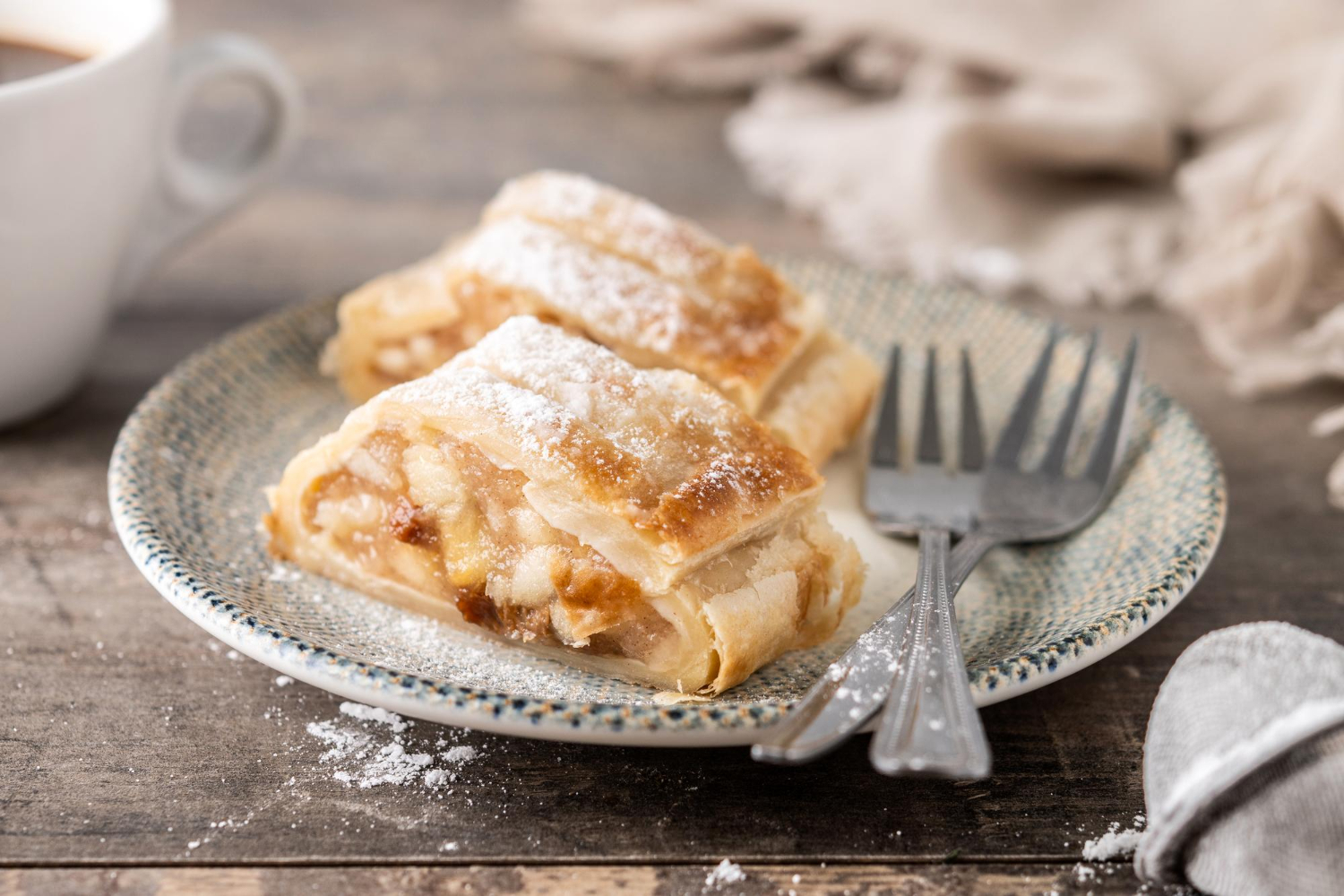
This is Zagreb's heavyweight champion dish. Štrukli is a cheese-filled pastry that looks a bit like lasagne had a baby with a dumpling. But that description doesn't do it justice.
The filling is fresh cottage cheese mixed with eggs and sour cream. Simple ingredients, massive flavour. Now here's where it gets interesting. You've got two preparation styles: baked or boiled.
Baked štrukli comes out golden and crispy on top, with that molten cheese centre. It's rich, it's indulgent, and honestly, it's what most restaurants serve because tourists love it. Boiled štrukli is the traditional way. It's lighter, almost delicate, and it's what grandmothers across Zagreb have been making for generations.
Pro tip: try both. The difference is night and day, and you'll immediately understand why locals are so passionate about their preferred style.
Zagrebački Odrezak
Think of this as Croatia's answer to schnitzel, but better. It's a breaded cutlet stuffed with cheese and ham, then fried until golden. The outside is crunchy, the inside is gooey, and the whole thing is absolutely massive.
This dish screams comfort food. It's not trying to be fancy. It's just meat, cheese, and bread doing what they do best. You'll find it on almost every traditional menu in Zagreb, and there's a reason for that. It works.
Turkey with Mlinci
Here's where Zagreb food gets really interesting. Turkey with mlinci is traditionally served at Christmas, but smart restaurants keep it on the menu year-round because it's that good.
Mlinci is a thin, dried flatbread that gets broken into pieces and mixed with the turkey's roasting juices. It softens up and absorbs all those flavours. The result? Every bite tastes like concentrated turkey goodness.
This dish takes hours to prepare properly, which is why you won't find it at every spot. But when you do find it done right, it's unforgettable.
Croatian Charcuterie Platters
Before we move on, let's talk about the way meals start in Zagreb. Local cured meats and artisanal cheeses aren't just an appetiser. They're a statement about where the food comes from.
You'll see homemade prosciutto, spicy kulen sausage, and varieties of cheese you won't find anywhere else. These platters usually come with pickled vegetables, olives, and fresh bread. It's simple, it's traditional, and it sets the tone for everything that follows.
Where to Eat Near Hotel Dubrovnik
Right, let's get tactical. You're staying at Hotel Dubrovnik, which puts you within a 10-minute walk of some seriously good food. Here's how to navigate it.
Traditional Restaurants
The Upper Town (Gornji Grad) is where you'll find the old-school spots. These are family-run places that have been serving zagreb food for decades. The menus don't change much because they don't need to. Everything's been perfected over years of repetition.
The Lower Town (Donji Grad) has a slightly different vibe. Still traditional, but with a bit more polish. These restaurants cater to business lunches and locals who want reliable quality without the tourist trap energy.
Walking distance from your hotel means you can try multiple places. My advice? Don't lock yourself into one spot for your entire stay. Sample around.
Modern Bistros and Contemporary Dining
Now, if you want to see where Zagreb food is heading, check out the new wave of bistros popping up around the city centre. These places are taking traditional Croatian ingredients and giving them a modern twist.
Farm-to-table seasonal menus are everywhere now. Chefs are working directly with local farmers, changing their menus based on what's available that week. It's a complete 180 from the old "same menu for 20 years" approach, and it's exciting to watch.
You'll also find solid international cuisine options within walking distance. Asian fusion, Mediterranean, even some excellent sushi spots. Zagreb's food scene isn't just about Croatian food anymore. It's about good food, period.
Michelin-Starred Experiences
Zagreb earned its place on the global culinary map with two Michelin-starred restaurants. Noel received its star in 2019, and Dubravkin Put joined the list in 2024. Both spots showcase Croatian ingredients through tasting menus at the highest possible level.
Fine dining here isn't stuffy. It's creative, it's ambitious, and it's worth the splurge if you're celebrating something special. Just book ahead because tables fill up fast.
Dolac Market and Street Food
 If you want to understand zagreb food at its core, you need to visit Dolac Market. It's a five-minute walk from Hotel Dubrovnik, and it's where locals shop for their daily groceries.
The market is split into sections. Above ground, you've got fresh produce under those iconic red umbrellas. Below ground, there's meat, fish, and dairy. Everything is fresh, everything is local, and the prices are shockingly reasonable.
But here's the real move: grab breakfast at the market. There are stalls selling burek, which is a flaky pastry filled with cheese, meat, or apple. It costs next to nothing, and it's legitimately delicious. Locals eat it standing up with a cup of yogurt. That's the authentic experience right there.
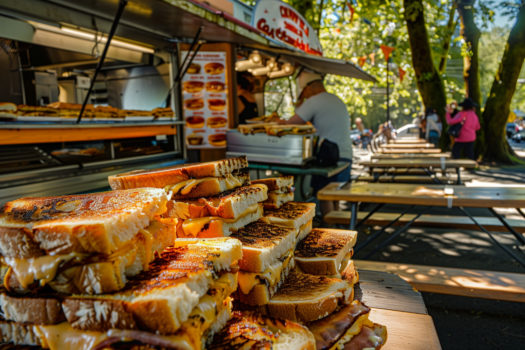
Street food in Zagreb isn't just burek, though. You'll find grilled sausages, fresh sandwiches, and seasonal specialties depending on when you visit. It's fast, it's cheap, and it gives you a taste of how actual Zagreb residents eat when they're in a hurry.
If you want to understand zagreb food at its core, you need to visit Dolac Market. It's a five-minute walk from Hotel Dubrovnik, and it's where locals shop for their daily groceries.
The market is split into sections. Above ground, you've got fresh produce under those iconic red umbrellas. Below ground, there's meat, fish, and dairy. Everything is fresh, everything is local, and the prices are shockingly reasonable.
But here's the real move: grab breakfast at the market. There are stalls selling burek, which is a flaky pastry filled with cheese, meat, or apple. It costs next to nothing, and it's legitimately delicious. Locals eat it standing up with a cup of yogurt. That's the authentic experience right there.
Street food in Zagreb isn't just burek, though. You'll find grilled sausages, fresh sandwiches, and seasonal specialties depending on when you visit. It's fast, it's cheap, and it gives you a taste of how actual Zagreb residents eat when they're in a hurry.
Croatian Wine and Coffee Culture
Let's talk drinks because zagreb food isn't complete without understanding what locals pour alongside their meals.
Croatian wines are seriously underrated. The country has multiple wine regions, and Zagreb is surrounded by vineyards producing excellent whites and reds. You'll find local varieties on every restaurant menu, and they pair beautifully with traditional dishes.
Don't sleep on the wine bars near Ban Jelačić Square. These spots specialise in Croatian bottles you won't find anywhere else. The staff actually know their stuff and can guide you through tastings.
Now, coffee. Zagreb takes its coffee culture very seriously. We're talking Italian-level serious. The specialty coffee scene here rivals anything you'd find in London or Melbourne. Independent roasters are everywhere, and the standard espresso is miles better than what you'd get in most European cities.
Locals don't rush their coffee. They sit, they chat, they people-watch. It's part of the daily rhythm, and you should absolutely lean into it.
Practical Dining Tips
Alright, some real talk about how dining actually works in Zagreb. This stuff matters if you want to avoid looking like a confused tourist.
Meal times are later than you might expect. Lunch runs from 12 pm to 3 pm. Dinner doesn't really start until 7 pm, and many locals don't eat until 8 pm or later. Plan accordingly.
Local customs are pretty relaxed. Croatians are friendly, and restaurant staff are generally helpful even if your Croatian is non-existent (which mine definitely is). English is widely spoken in the city centre.
Price ranges vary massively. You can eat street food for €3 or drop €100 per person at a Michelin spot. Most solid meals at traditional restaurants will run you €15-25 per person including a drink. That's incredibly reasonable for a European capital.
Budget planning is straightforward. If you're eating one nice meal per day and grabbing market food or casual spots for the other meals, you'll spend about €30-40 daily on food. Add wine and coffee, maybe bump that to €50.
Seasonal menu highlights change throughout the year. Spring brings wild asparagus and fresh peas. Summer is all about seafood driven up from the coast. Autumn means truffles and mushrooms. Winter is when you'll find the heartiest meat dishes and those festive specialties like turkey with mlinci.
The best zagreb food is always seasonal because that's when ingredients are at their peak. Don't fight the seasons. Lean into whatever the menu is highlighting.
Conclusion
Zagreb food is having its moment, and you're experiencing it from the absolute best vantage point possible. Hotel Dubrovnik's location on the main square puts you within walking distance of everything that matters in this food scene.
From traditional dishes that have been perfected over generations to cutting-edge bistros pushing Croatian cuisine forward, it's all right here. The markets, the street food, the Michelin stars, they're all accessible within minutes of your hotel.
This isn't a city where you need to plan elaborate food tours or stress about reservations at every meal (though booking ahead for the fancy spots is smart).
Just walk out your door, pick a direction, and start exploring. That's the beauty of staying at Hotel Dubrovnik. The city's entire culinary landscape spreads out from your front door.
Try the štrukli. Hit up Dolac Market. Drink the local wine. Take your time with your coffee. And most importantly, eat like a local, not like someone checking boxes off a list. That's when zagreb food really comes alive.
Frequently Asked Questions (FAQs)
1. What is the most famous food in Zagreb?
Štrukli is hands down the most famous zagreb food dish. It's a traditional cheese-filled pastry that comes either baked or boiled. You'll find it on almost every traditional restaurant menu in the city.
2. How much should I budget for food in Zagreb per day?
Expect to spend around €30-50 per day on food if you're mixing casual meals with one nice sit-down restaurant. Street food and market meals can cost as little as €3-5, while traditional restaurants run €15-25 per person for a full meal.
3. Is Dolac Market open every day?
Dolac Market operates daily except Sundays. The best time to visit is Saturday morning when it's busiest and has the widest selection. Get there early (before 10 am) for the freshest produce and to experience it when locals are shopping.
4. Do I need reservations at Zagreb restaurants?
For casual traditional restaurants and bistros, you typically don't need reservations except on weekends. However, Michelin-starred restaurants and popular fine dining spots absolutely require booking ahead, sometimes weeks in advance during peak tourist season.
5. What Croatian wines should I try in Zagreb?
Look for Graševina (a crisp white wine), Malvazija from Istria, and Plavac Mali (a bold red) from Dalmatia. Most restaurants near Hotel Dubrovnik have excellent wine lists featuring local producers, and staff can guide you through regional options that pair well with zagreb food.