Zagreb Sightseeing: A Hotel Guest’s Guide to Exploring the City
Zagreb sightseeing becomes incredibly simple when you're staying right in the heart of the action. I've seen countless guests walk through our doors at Hotel Dubrovnik, excited but clueless about where to start.
They ask the same questions: "What's worth seeing?" "How far is everything?" "Can I walk or do I need transport?"
Let me cut through the noise and give you the real deal on exploring this underrated European capital. Zagreb isn't trying to be Paris or Rome. It's got its own vibe, a mix of Austro-Hungarian grandeur and laid-back Balkan charm that makes zagreb sightseeing actually enjoyable rather than exhausting.
Why Zagreb Works for Sightseeing
Here's the truth most travel guides won't tell you: Zagreb is small enough to conquer in a weekend but interesting enough to keep you busy for a week.
The best part? Hotel Dubrovnik sits on Ban Jelačić Square, which is literally the centre of everything. You step out the front door, and you're already at ground zero for every major sight.
No hour-long commutes. No complicated metro systems. Just pure, walkable convenience.
Upper Town (Gornji Grad) Highlights
The Upper Town is where zagreb sightseeing gets historic. This is medieval Zagreb, perched on a hill with cobblestone streets and buildings that have seen centuries roll by.
St. Mark's Church
You'll spot this one from a mile away. The tiled roof isn't just pretty, it's practically screaming "Take a photo of me!" The coat of arms on the roof represents Croatia, Dalmatia, and Slavonia. Built in the 13th century, the church features Gothic architecture that's been standing strong while empires rose and fell.
Inside, you'll find sculptures by Ivan Meštrović, Croatia's most famous sculptor. It's a quick visit but absolutely essential for your zagreb sightseeing checklist.
Lotrščak Tower
This 13th-century tower was built to protect the southern gate of medieval Gradec. Today, it serves a different purpose: giving tourists killer views and making everyone jump at noon.
Every day at 12:00, they fire the Grič cannon from this tower. It's loud, it's dramatic, and it's been happening for over a hundred years. Climb to the top for panoramic views across Zagreb. Trust me, the spiral staircase is worth the effort.
Stone Gate
Most people walk past historical sites without a second glance. Not this one. The Stone Gate is the only remaining entrance from Zagreb's medieval fortifications, and it houses a small chapel that locals still visit.
In 1731, a massive fire destroyed everything except a painting of the Virgin Mary. Now it's a shrine where people light candles and leave prayers. The blend of medieval architecture and active spirituality makes it genuinely special.
Lower Town (Donji Grad) Attractions
The Lower Town is where modern Zagreb lives and breathes. Wider streets, big squares, and the kind of energy that makes a city feel alive.
Ban Jelačić Square
This is your home base. Hotel Dubrovnik faces directly onto this square, which means you're never more than two minutes from your room. The statue in the centre honours Ban Josip Jelačić, a 19th-century Croatian hero who led an uprising against the Hungarians.
Use this square as your compass. Every tram line passes through here. Every walking tour starts here. Every local uses it as a meeting point.
Zagreb Cathedral
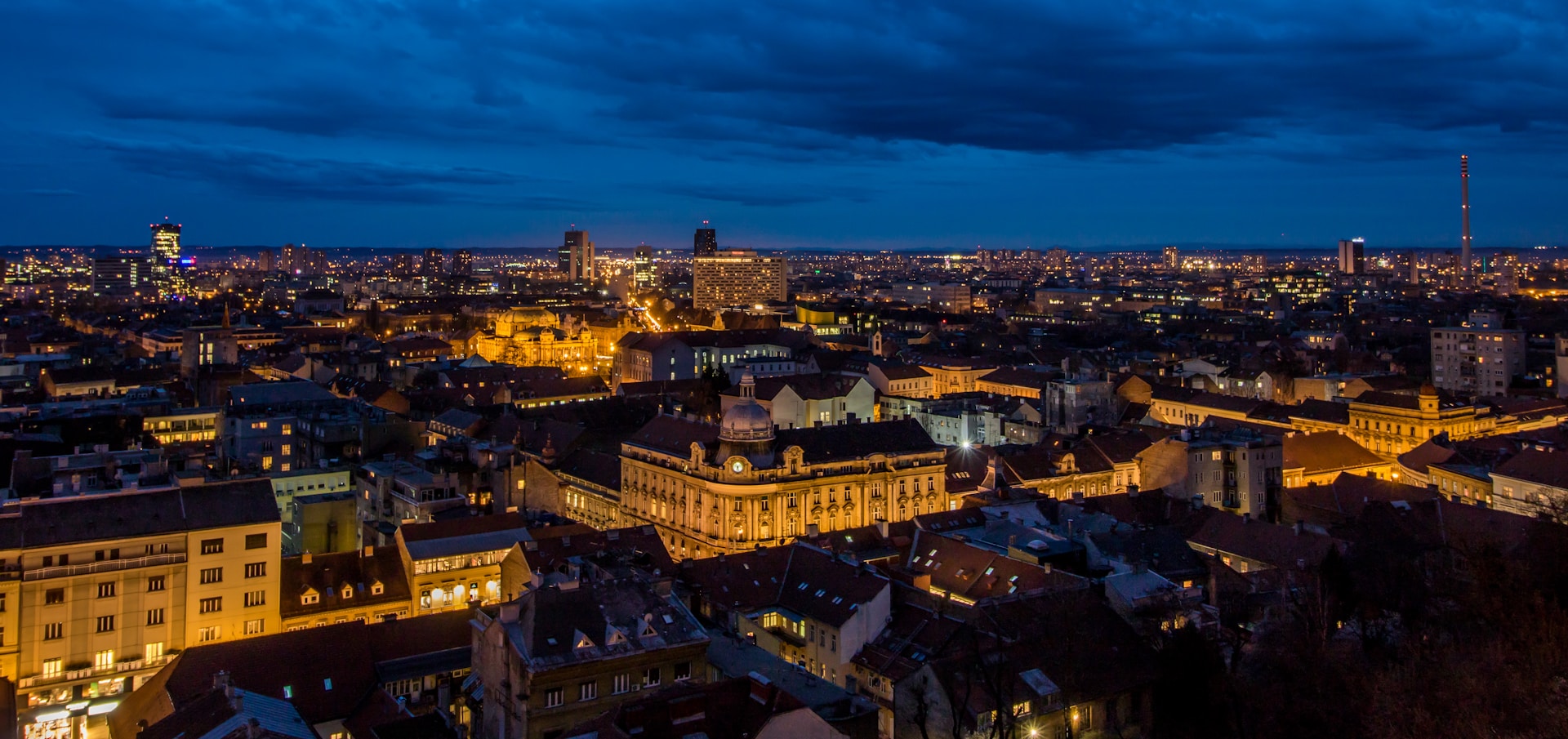
Croatia's tallest building dominates the skyline with its twin Gothic spires. Zagreb Cathedral, originally built in 1093, the cathedral was reconstructed after an earthquake in 1880. The neo-Gothic design you see today is stunning, especially when lit up at night.
For zagreb sightseeing, this is non-negotiable. The cathedral is visible from almost everywhere in the city, and visiting it takes less than 30 minutes.
Dolac Market
Right behind the cathedral, you'll find Dolac Market, the beating heart of Zagreb's food scene. Local farmers sell fresh produce, flowers, homemade cheese, and traditional Croatian products every day except Sunday.
Go in the morning when it's busiest. The red parasols, the shouting vendors, the smell of fresh bread creates an authentic atmosphere you won't find in tourist shops. Plus, it's a great reality check on what locals actually eat.
Essential Museums
 Zagreb is known for having one of the highest numbers of museums per capita in the world. These two are absolute standouts for zagreb sightseeing.
Museum of Broken Relationships
This concept museum is exactly what it sounds like: a collection of objects from failed relationships, each with a heartbreaking or hilarious story. It started as an art project and grew into an internationally acclaimed museum with exhibitions worldwide.
Located in the Upper Town, it's quirky, emotional, and completely unique. Budget about an hour here.
Croatian National Theatre
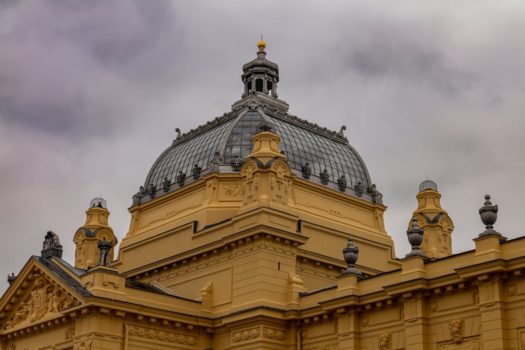
Built in 1895, this neo-Baroque beauty hosts opera, ballet, and drama performances. Even if you don't catch a show, the building itself is worth seeing. The yellow facade and ornate interior represent the peak of 19th-century European theatre design.
Check their schedule online. Ticket prices are surprisingly affordable compared to Western European venues.
Parks and Recreation
Zagreb understands that zagreb sightseeing isn't just about buildings and museums. Sometimes you need green space.
Zrinjevac Park
This romantic park sits in a series of green spaces called Lenuci's Horseshoe. Elegant fountains, tree-lined paths, and a music pavilion make it perfect for a 20-minute break between attractions.
Locals come here to read, couples stroll hand-in-hand, and in winter, they set up a Christmas market that transforms the whole area. In summer, Zagreb offers even more outdoor activities and events
Maksimir Park
For serious nature time, head to Maksimir. This 18-hectare wooded park opened in 1794, making it one of Europe's oldest public parks. It houses Zagreb Zoo and has enough trails to spend half a day exploring.
Getting there: Take tram 11 or 12 from Ban Jelačić Square. It's about 15 minutes.
Getting Around for Sightseeing
Here's where zagreb sightseeing gets even easier.
Public Transport
The tram network in Zagreb is incredibly efficient. Hotel Dubrovnik has a tram stop literally in front of the entrance. Buy a 30-minute ticket for about €0.50 or get a day pass if you're planning multiple trips.
Key routes from our location:
- Tram 6: Connects to the main bus and train stations
- Tram 13: Takes you to the western residential areas
- Tram 11 or 12: Direct route to Maksimir Park
Validate your ticket immediately after boarding. Inspectors are strict, and fines are expensive.
Zagreb Funicular
At only 66 metres long, this is one of the shortest public-transport funiculars in the world. It connects the Lower Town to the Upper Town in exactly 64 seconds. Built in 1890, it's both a practical transport option and a tourist attraction.
Tickets cost less than €1, and it runs every 10 minutes from 6:30 AM to midnight. You can also take the stairs next to it if you want to save money or get some exercise.
Day Trips from Zagreb
Once you've conquered zagreb sightseeing within the city, these day trips are worth considering.
Plitvice Lakes National Park
Plitvice Lakes National Park, this UNESCO World Heritage Site is Croatia's most famous natural attraction. Cascading waterfalls, turquoise lakes, and wooden walkways through pristine forest make it absolutely spectacular.
It's about 140km from Zagreb. Organised tours leave daily and handle all the logistics. The trip takes a full day, but you'll understand why Croatia's nature gets so much hype.
Samobor
Only 20km west of Zagreb, Samobor is a charming medieval town known for its castle ruins and kremna rezina (cream cake). It's quieter, slower, and gives you a taste of small-town Croatian life.
Perfect for a half-day trip. You can catch a bus from Zagreb's main station.
Sightseeing Essentials
These practical tips will upgrade your zagreb sightseeing experience.
Walking Tours
Free walking tours depart from Ban Jelačić Square at 11:00 AM and 5:00 PM daily. They last about two hours and cover all the major sights while a local guide shares historical context and insider stories.
Book in advance. These tours fill up fast, especially during summer. The 11:00 AM tour includes the noon cannon firing from Lotrščak Tower.
The guides work for tips, so bring cash. €10-15 per person is standard and well worth it for the value you get.
Tkalčićeva Street
Once you've done the daytime zagreb sightseeing, head to Tkalčićeva Street in the evening. This narrow street is packed with restaurants, cafes, and bars spilling onto outdoor terraces.
It's where locals and tourists mix, creating a vibrant atmosphere without feeling touristy. Grab a craft beer, try some Croatian wine, and watch the street performers do their thing.
The street runs parallel to Dolac Market and connects the Lower Town to the Upper Town, making it a natural part of any walking route.
Conclusion
Zagreb sightseeing is genuinely straightforward when you base yourself at the right spot. Hotel Dubrovnik's location on Ban Jelačić Square puts you within walking distance of 90% of what matters. The Upper Town is a seven-minute walk. The cathedral is three minutes. The tram to anywhere else stops right outside.
You're not fighting crowds like in Dubrovnik. You're not navigating confusing layouts like in Split. Zagreb gives you a proper European capital experience without the chaos.
Everything I've shared here comes from watching thousands of guests explore the city and hearing what actually worked. The walkability is real. The tram system is reliable. The sights are concentrated enough to see in a weekend but diverse enough to stay interesting.
Start your zagreb sightseeing journey from Hotel Dubrovnik, and you've already won half the battle. The city is waiting right outside your door.
Frequently Asked Questions (FAQs)
1. How many days do I need for zagreb sightseeing?
Two to three days covers all the major attractions comfortably. One day lets you hit the highlights, but three days gives you time for museums, parks, and maybe a day trip. Zagreb's compact size means you won't waste time on transport, so you can pack more into each day than you'd expect.
2. Is Zagreb sightseeing expensive compared to other European capitals?
Not even close. Museum entries range from €3-7, public transport is under €1 per trip, and meals at good restaurants cost €10-15. Zagreb offers significantly better value than Vienna, Prague, or Budapest while delivering similar architectural and cultural experiences.
3. Can I do zagreb sightseeing entirely on foot?
Absolutely. The city centre where most attractions sit is completely walkable. From Ban Jelačić Square to the Upper Town takes 10 minutes on foot. The only time you'll need trams is for reaching Maksimir Park or residential areas outside the centre.
4. What's the best time of year for zagreb sightseeing?
Late spring (May-June) and early autumn (September-October) offer perfect weather and fewer crowds. Summer works too but gets hot and busy. Winter brings Christmas markets that transform the city, though some attractions have shorter hours. Avoid January-February unless you don't mind cold and grey weather.
5. Are zagreb sightseeing attractions open on Sundays?
Most outdoor sights like St. Mark's Church, the cathedral, and parks are accessible every day. Museums typically close on Mondays rather than Sundays. Dolac Market closes on Sundays. Restaurants and cafes in tourist areas remain open throughout the week, though some local spots might close Sunday evenings.