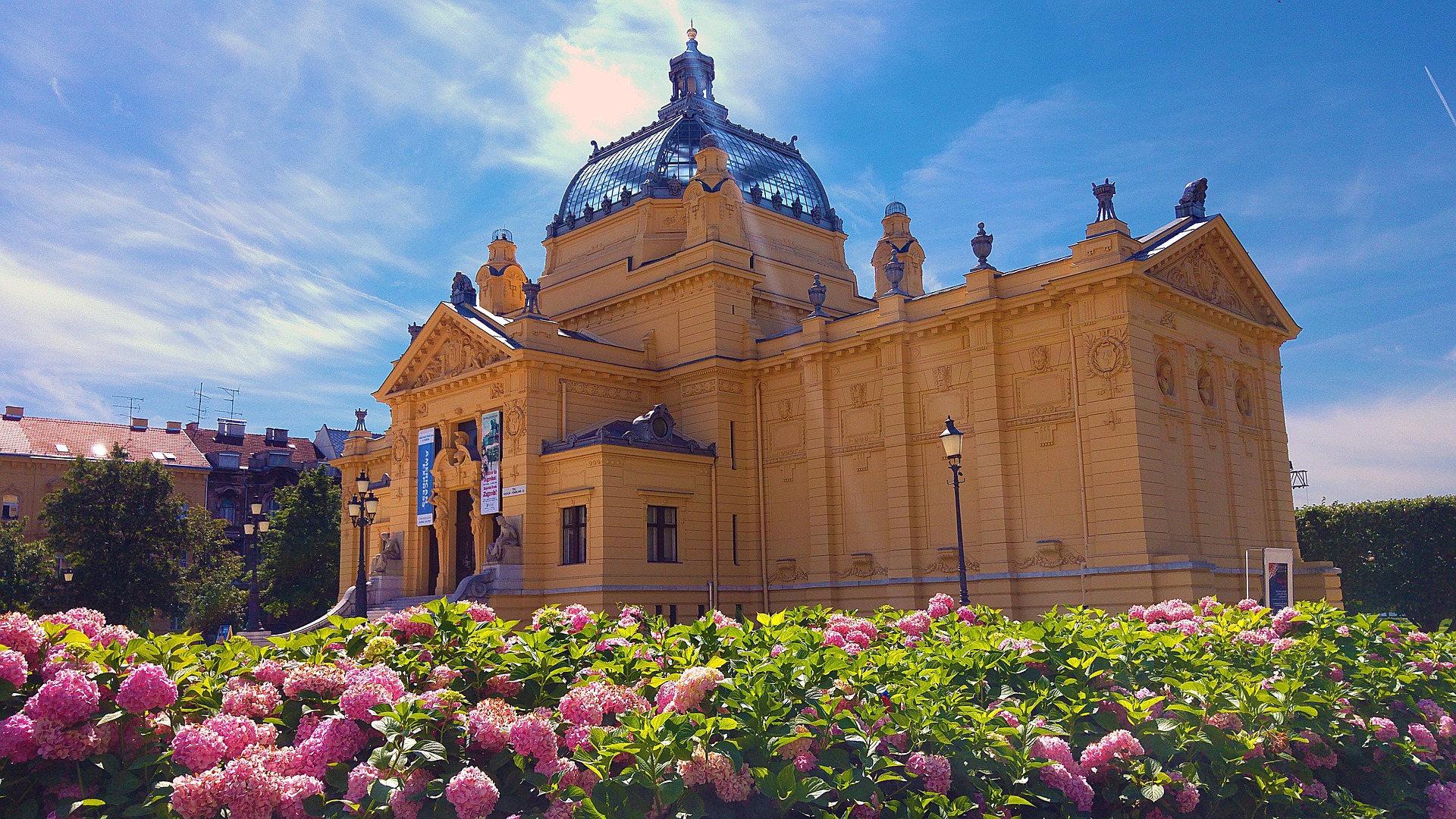
Museums in Zagreb: Cultural Highlights Within Easy Reach of the Hotel
Museums in Zagreb are literally on your doorstep when you stay at Hotel Dubrovnik. Step out of the lobby and you're within a 5-10 minute walk of some of Europe's most unique cultural institutions.
Zagreb has one of the highest concentrations of museums per capita in the world. The city genuinely punches above its weight in cultural institutions, making exploration ridiculously convenient when you're based on Ban Jelačić Square.
The square isn't just Zagreb's geographic centre. It's your launchpad to everything worth seeing. Upper Town museums? Seven-minute walk. Lower Town galleries? You're already there. Contemporary art across the river? Hop on tram 6 from outside the hotel.
Museum of Broken Relationships
This museum won the Kenneth Hudson Award in 2011 for being Europe's most innovative museum. The concept: people from around the world donate objects from failed relationships, along with anonymous stories explaining what went wrong. Each item sits in white rooms with just enough context to make you feel something.
You'll find everything from wedding dresses to garden gnomes, from devastating notes to hilariously petty items someone stole just to annoy their ex. The museums in Zagreb don't get more emotionally raw than this.
Location: Upper Town, 7-minute walk from Hotel Dubrovnik. Head towards Lotrščak Tower and you'll find it in a baroque palace on Ćirilometodska Street.
Hours: Daily 9:00-21:00 (October-May), with extended hours in summer.
Why visit: It's unlike anything else. One hour here takes you through more emotions than most museums manage in their entire collection.
Croatian Museum of Naive Art
Naive art is untrained, instinctive art. Think vivid colours, simple forms, and perspectives that ignore traditional rules. Croatia became a global centre for this movement in the 20th century.
This museum sits in Upper Town near St. Mark's Church with its famous tiled roof. The collection focuses on Croatian naive painters from the Hlebine School and regional artists who gained international recognition in the 1960s and 70s.
You'll see works by Ivan Generalić, founder of Croatian naive art, alongside pieces that challenge what art "should" look like.
What to expect: Small but focused. Three rooms that you can explore in 30-45 minutes.
Museum of Contemporary Art
Croatia's heavyweight when it comes to modern art. The building itself, located across the Sava River in New Zagreb, makes a statement with its bold architecture and that famous slide from upper floor to ground level.
Three floors of permanent exhibitions showcase Croatian and international contemporary artists. Paintings, sculptures, media art, video installations, and everything in between. The temporary exhibitions bring in global names and experimental work you won't find elsewhere among museums in Zagreb.
Getting there: Tram 6 from Ban Jelačić Square to the last stop, Sopot. Journey takes about 20 minutes.
Hours: Tuesday-Friday 11:00-19:00, Saturday-Sunday 9:00-18:00, closed Mondays.
Archaeological Museum Zagreb
Ancient history gets proper respect here. One of Zagreb's oldest museums, housing over 450,000 artefacts spanning from prehistoric times through the medieval period.
The Egyptian collection includes the famous Zagreb Mummy, wrapped in linen bandages that contain the longest Etruscan inscription in existence. That's a 3rd-century BCE mystery still being studied today. Greek pottery, Roman sculpture, and medieval Croatian artefacts round out the collection.
Location: Walking distance from Hotel Dubrovnik in the Lower Town. The museums in Zagreb cluster around the Green Horseshoe parks.
Museum of Arts and Crafts
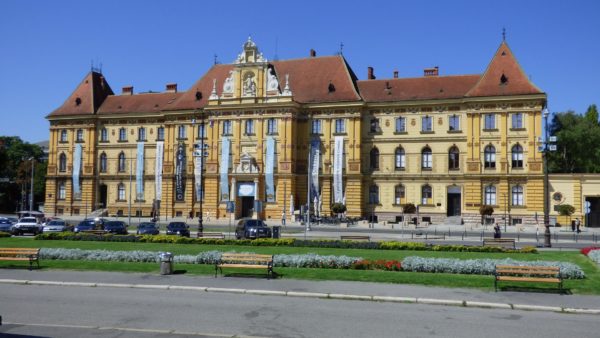 130 years of collecting decorative and applied arts. This museum covers furniture, ceramics, textiles, metalwork, and design from the 14th century to present day.
The building, a historicist palace from 1888, sits on Republic Croatia Square alongside the Croatian National Theatre. Renaissance furniture to Art Nouveau glasswork to contemporary product design.
Location: Easy walk from Ban Jelačić Square, or take tram 12, 14, or 17 for two stops.
130 years of collecting decorative and applied arts. This museum covers furniture, ceramics, textiles, metalwork, and design from the 14th century to present day.
The building, a historicist palace from 1888, sits on Republic Croatia Square alongside the Croatian National Theatre. Renaissance furniture to Art Nouveau glasswork to contemporary product design.
Location: Easy walk from Ban Jelačić Square, or take tram 12, 14, or 17 for two stops.
Ethnographic Museum
Croatian cultural heritage gets showcased in this Art Nouveau palace behind the Croatian National Theatre. Over 80,000 items tell the story of how people lived across different regions and time periods.
Traditional folk costumes show regional variations. Tools and household objects reveal daily life patterns. Musical instruments and toys add personal touches. The non-European collection from Africa, Oceania, and Latin America adds global context.
Practical info: Located near the Archaeological Museum in Lower Town. Both can be visited in a single morning.
Mimara Museum (Currently Closed)
Important: The Mimara Museum has been closed since March 2020 due to earthquake damage. As of 2025, reconstruction continues. Check official sources for reopening dates.
When it reopens, this will showcase one of Southeast Europe's largest art collections. Over 3,750 works donated by Ante and Wiltrud Topić Mimara, including European old masters, ancient Egyptian artifacts, and Asian decorative arts.
The neo-Renaissance building (built 1896) on Roosevelt Square is an architectural landmark worth seeing from outside even during closure.
Specialty Museums
Museum of Illusions
Interactive exhibits that mess with perception. Rooms that defy gravity. Holograms that appear three-dimensional. The Museum of Illusions on Ilica Street delivers exactly what it promises.
Fun, Instagram-worthy, perfect for breaking up heavy historical museums. Families love it. The franchise started in Zagreb in 2015 before expanding globally to become the world's largest private museum chain.
Location: Ilica 72, Zagreb's main shopping street. Walk down from Ban Jelačić Square or take tram 1, 6, or 11 for one stop.
Time tip: Go early morning or late afternoon to avoid crowds.
Zagreb 80's Museum
Step into a Yugoslavian family apartment from the 1980s. Everything here is interactive. Touch the items. Sit in the chairs. Flip through the books and records.
Small but packed with details that bring the decade alive. Video games, posters, household items, and cultural touchstones from behind the Iron Curtain.
Location: Next to the Stone Gate in Upper Town. Combine it with the Museum of Broken Relationships.
Zagreb Chocolate Museum
Chocolate history from ancient Mesoamerica to modern Belgian factories, with tasting opportunities. Six themed rooms take you through different periods, each with artefacts, displays, and chocolate samples.
The praline-making demonstration shows exactly how those fancy chocolates get made.
Location: Varsavska Street in Lower Town, 5 minutes on foot from Hotel Dubrovnik.
Navigation from Hotel Dubrovnik
You're standing on Ban Jelačić Square. Everything branches out from here.
Upper Town route: Take the funicular (world's shortest, built in 1888) from across the square, or walk up through the Stone Gate. Seven minutes either way gets you to Lotrščak Tower, St. Mark's Church, and Upper Town museums.
Lower Town museums: Walk. The Archaeological Museum, Museum of Arts and Crafts, and Ethnographic Museum form a cluster within 10 minutes of the hotel.
Tram connections: Tram 6 stops right in front of Hotel Dubrovnik. It goes to the Museum of Contemporary Art, the Main Train Station, and other key points. Buy a 30-minute ticket (about 0.50 euros) from the kiosk.
Combined itinerary: Morning in Upper Town (Broken Relationships + Naive Art + coffee break) takes 3 hours. Afternoon in Lower Town (Archaeological + Arts and Crafts) takes another 3 hours. That's a full cultural day without feeling rushed.
Conclusion
Museums in Zagreb pack serious cultural weight into a compact, walkable area. When you base yourself at Hotel Dubrovnik on Ban Jelačić Square, you're positioning yourself at the exact centre of everything worth seeing.
No long commutes. No complex metro systems. Just walk outside and start exploring.
The variety surprises most visitors. Broken relationships, naive art, contemporary installations, ancient mummies, decorative crafts, folk costumes, and quirky speciality museums all sit within a 20-minute radius. That density of quality cultural institutions is genuinely rare in Europe.
Plus, when your feet get tired, you're always close to base. That convenience matters.
Frequently Asked Questions (FAQs)
1. How many museums should I visit in one day in Zagreb?
Two to three museums make for a comfortable day without cultural overload. Pair one major museum (like Broken Relationships or Archaeological) with one or two smaller speciality museums.
Your brain needs processing time between exhibitions. Rushing through five museums means you'll remember none of them properly.
2. Do museums in Zagreb require advance booking?
Most don't require advance tickets except during peak summer months or special exhibitions. The Museum of Broken Relationships can get crowded, so buying online saves queuing time. Contemporary Art Museum rarely has lines.
Smaller speciality museums operate walk-in only. Winter months (November-March) almost never need advance booking.
3. Are Zagreb museums suitable for children?
Museum of Illusions and Zagreb 80's Museum are designed for families. The Chocolate Museum appeals to kids. Archaeological Museum works if children like ancient history. Skip Museum of Broken Relationships with young kids, as content deals with adult themes.
4. What's the average cost to visit museums in Zagreb?
Budget 5-8 euros per museum for adult admission. Some smaller museums charge less. The Museum of Broken Relationships costs about 7 euros. Contemporary Art Museum offers combination tickets covering multiple exhibitions.
Several museums offer free admission on specific days or reduced prices for students and seniors. Your total daily museum budget should be around 15-20 euros if visiting three institutions.
5. Can I visit all major museums in Zagreb within walking distance of Hotel Dubrovnik?
Yes, except the Museum of Contemporary Art, which requires a tram ride. Everything else clusters in Upper Town and Lower Town, both easily walkable from Ban Jelačić Square where Hotel Dubrovnik sits.
The Archaeological Museum, Museum of Arts and Crafts, Ethnographic Museum, Museum of Illusions, and Chocolate Museum are all within 10 minutes on foot. Upper Town museums (Broken Relationships, Naive Art, 80's Museum) need 7-15 minutes walking uphill or a quick funicular ride.