Zagreb Tourist Attractions: The Top Picks Around Hotel Dubrovnik
Zagreb tourist attractions become incredibly accessible when you choose the right base. Hotel Dubrovnik sits at the heart of everything worth seeing, making it the ultimate starting point for exploring Croatia's capital.
Hotel Dubrovnik sits right on Ban Jelačić Square, which means you can roll out of bed and hit the city's best spots without breaking a sweat. No long commutes. No complicated transport. Just pure, walkable access to Zagreb's historic core.
Let me walk you through the zagreb tourist attractions that matter most, all within striking distance of this perfectly positioned hotel.
Upper Town Historic Landmarks
The Upper Town (Gornji Grad) is where Zagreb's soul lives. This medieval district perched on a hill is packed with centuries-old architecture, all ridiculously close to Hotel Dubrovnik.
St. Mark's Church
This church stops people in their tracks. The roof alone is worth the visit, covered in colorful tiles that display the Croatian coat of arms alongside Zagreb's emblem. It's not just pretty. It's iconic.
The church dates back to the 13th century, and you can reach it in about seven minutes on foot from Hotel Dubrovnik. That's the beauty of this location. Major zagreb tourist attractions like this aren't some distant dream requiring hours of planning.
Lotrščak Tower
Every day at noon, this 13th-century tower fires a cannon. It's loud, it's dramatic, and locals have been doing this since 1877 to help the city synchronize their watches.
The tower offers killer panoramic views over Zagreb's red-tiled roofs. You climb the narrow spiral staircase and see the entire city stretched out below. The Sava River in the distance, cathedral spires piercing the skyline.
Local legends claim the cannon once scared away Ottoman forces when a cannonball landed on the commander's lunch plate, but this is likely just a colorful tale. What's certain is the tradition continues daily at precisely noon. It's a five-minute walk from Hotel Dubrovnik.
Stone Gate
This medieval gate has a story. In 1731, a massive fire destroyed everything around it except for a painting of the Virgin Mary. Locals considered it a miracle, and now the gate functions as a shrine where people stop to light candles and say prayers. It's atmospheric and completely authentic.
Ban Jelačić Square and Surroundings
Hotel Dubrovnik's front door opens onto this energy.
The Main Square
Ban Jelačić Square is where Zagreb happens. Trams crisscross through here, locals meet under the big clock, and the energy never stops. The square hosts everything from pop-up markets to live performances.
From Hotel Dubrovnik, you're in the action. The hotel's terrace overlooks the square, and this city center location gives you access to every tram line that matters.
Tkalčićeva Street
Walk three minutes from Hotel Dubrovnik and you hit Tkalčićeva Street. This pedestrian strip is lined with cafés, bars, and restaurants. It's where locals actually hang out, not just tourists.
The vibe here shifts throughout the day. Morning coffee turns into afternoon drinks, which morphs into evening dinner crowds. It's Zagreb's social artery, and you're sleeping next to it.
Zagreb Cathedral
Those twin Gothic spires dominate the skyline. The Cathedral of the Assumption of the Blessed Virgin Mary is Zagreb's tallest building and most recognizable landmark.
The cathedral's origins trace back to the late 11th century when the Zagreb bishopric was established in 1094, though the first cathedral building was consecrated in 1217. Earthquakes and fires have forced multiple reconstructions. Inside, you'll find the tomb of Cardinal Stepinac, a significant figure in Croatian independence. It's a short walk from Hotel Dubrovnik.
Notable Museums
Zagreb punches above its weight in the museum department. These aren't boring archives.
Museum of Broken Relationships
This museum is brilliant. It started when two artists broke up and joked about creating a museum for their leftover stuff. They actually did it, and now it houses donated objects from failed relationships worldwide.
You'll see everything from wedding dresses that were never worn to random flip-flops left behind by departing lovers. Each item comes with its own story. Some are heartbreaking. Some are hilarious. All of them are deeply human.
The museum sits in the Upper Town, easily accessible when you're exploring other zagreb tourist attractions up there. It's unconventional, emotional, and one of the most unique experiences Zagreb offers.
Croatian National Theatre
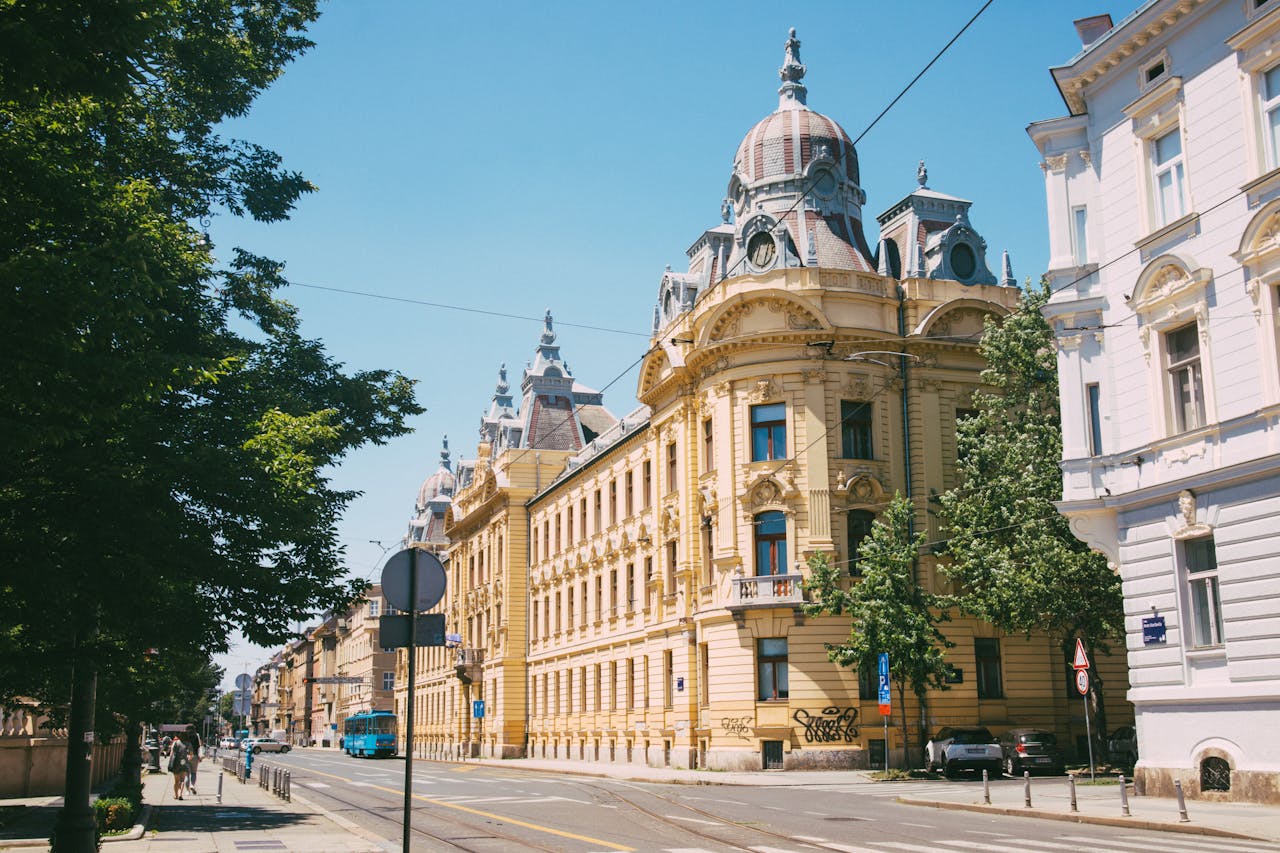
This neo-Baroque building opened in 1895 with Emperor Franz Joseph I in attendance. The architecture alone justifies a visit, with its golden facade, sculpted domes, and Corinthian columns.
Inside the Croatian National Theatre, the theatre hosts opera, ballet, and drama performances with acoustics among Europe's finest. Ivan Meštrović's "Well of Life" sculpture stands out front. It's a landmark reminding you Zagreb has been a cultural powerhouse for over a century.
Markets and Local Culture
Skip the tourist traps and hit the market for real Zagreb.
Dolac Market
Dolac Market is Zagreb's main farmers market, and it's been the city's food hub since the 1930s. Locals come here for fresh produce, cheese, meats, and traditional Croatian ingredients.
The market sits on a raised platform, surrounded by red umbrellas that create this distinctive visual. It's colorful, chaotic, and completely authentic. No sanitized tourist version here. This is where you taste what Croatia actually grows and produces, not what hotels import for tourist consumption.
From Hotel Dubrovnik, you can reach Dolac Market in under five minutes on foot. That proximity means you can incorporate real local experiences into your zagreb tourist attractions itinerary without scheduling gymnastics.
Parks and Nature
 Zagreb isn't all stone and history. The city has serious green space.
Zrinjevac Park
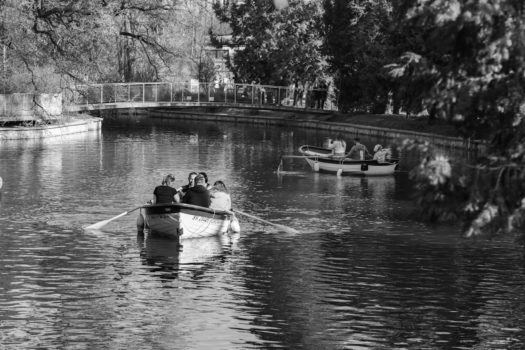
Officially called Trg Nikole Šubića Zrinskog, everyone just calls it Zrinjevac. This verdant square features tree-lined promenades, fountains, and a bandstand that hosts summer concerts.
It's a major hangout during sunny weekends. Locals spread out on the grass, couples walk the pathways, and the whole scene feels relaxed. The park is walking distance from Hotel Dubrovnik, making it an easy spot to decompress between hitting zagreb tourist attractions.
Medvednica Mountain
If you want to escape urban Zagreb for a few hours, Medvednica Mountain is your move. This isn't some distant excursion. It's accessible via cable car and offers hiking trails, scenic overlooks, and the medieval Medvedgrad fortress ruins.
The mountain provides a completely different perspective on Zagreb. You go from city streets to forest trails in about 30 minutes.
Hidden Attractions
Some of the best experiences hide beneath the obvious stuff.
Grič Tunnel
This tunnel was built during World War II as a bomb shelter. During the Balkan conflicts in the 1990s, it served the same purpose again. Now it's open to pedestrians as a unique passageway through the Upper Town.
The tunnel makes an "L" shape under Grič Park. Walking through it feels surreal as the temperature drops and acoustics change. It's free to explore and connects different parts of the Upper Town without navigating the hills above. It's one of those zagreb tourist attractions most tourists miss completely.
Conclusion
Exploring zagreb tourist attractions becomes infinitely easier when you're based at the right spot. Hotel Dubrovnik isn't just accommodation. It's strategic positioning.
Every major attraction is within walking distance or a short tram ride from Ban Jelačić Square. You eliminate dead time, maximize exploration, and actually enjoy the experience instead of stressing about logistics.
The Upper Town's medieval charm, the markets' authentic energy, the museums' unique perspectives—they're all accessible when you're staying central. Hotel Dubrovnik delivers that access without compromise.
Hit the historic landmarks early before crowds arrive. Explore the museums during midday. Spend evenings on Tkalčićeva Street experiencing Zagreb's social scene. That's how you experience zagreb tourist attractions properly: with intention, without wasted movement, and from a base that makes it all possible.
Frequently Asked Questions (FAQs)
1. How many days do I need to explore zagreb tourist attractions?
Three to four days gives you enough time to see the major sites without rushing. You can cover the Upper Town, key museums, markets, and still have time for Medvednica Mountain or relaxing in parks.
Staying at Hotel Dubrovnik's central location means you can pack more into each day since you're not wasting time on transport.
2. Is Zagreb expensive for tourists?
Zagreb is significantly cheaper than Western European capitals. Museum entry typically costs between 3-8 euros. Restaurant meals run 10-20 euros per person.
Public transport is affordable with day tickets around 4 euros. Your biggest expense will be accommodation, but the value is strong compared to other European cities.
3. What's the best time to visit Zagreb?
April through September offers the best weather, with May and September being ideal. You get warm temperatures without summer's peak heat and crowds.
If you're interested in Zagreb's famous Christmas markets, December is spectacular but cold. The city hosts various festivals throughout spring and summer, adding extra energy to your visit.
4. Can I walk everywhere from Hotel Dubrovnik?
Most major zagreb tourist attractions are within 5-15 minutes walking distance. The Upper Town, Cathedral, Dolac Market, and Tkalčićeva Street are all easily accessible on foot.
For places like Medvednica Mountain or Jarun Lake, you'll need trams or buses, but the main tram station is right at Ban Jelačić Square where the hotel sits.
5. Do I need to speak Croatian to visit Zagreb?
English is widely spoken in tourist areas, restaurants, and hotels. Younger Croatians especially speak excellent English. Hotel Dubrovnik staff are multilingual.
Learning a few basic Croatian phrases (hello, thank you, please) is appreciated but not necessary. The city is very tourist-friendly, and you won't struggle with language barriers at major attractions.